Living in Sandy, Utah: A Local's Guide to Salt Lake County's Canyon-Gateway City
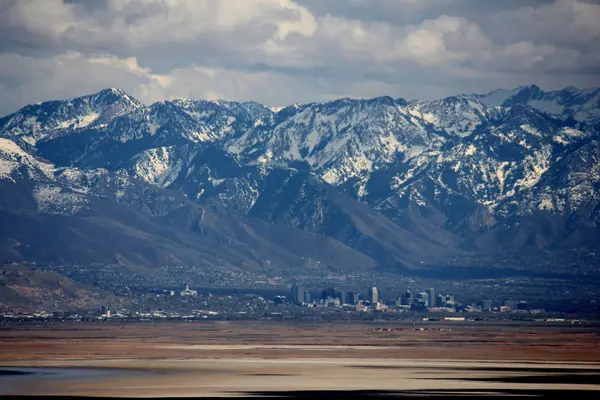
Sandy sits at the southeast corner of the Salt Lake Valley, right where the city grid runs up against the Wasatch Mountains. It's one of those places where you can finish a workday, catch TRAX home, and still be on a canyon trail before sunset. If you're thinking about buying in Sandy, or you already own here and wonder how buyers see your neighborhood, this guide covers what makes the city tick.
Where Sandy Fits on the Wasatch Front
Sandy is a south Salt Lake County city bordered by Midvale and Cottonwood Heights to the north, Draper to the south, and South Jordan and West Jordan to the west. That location is a big part of its appeal: downtown Salt Lake City is a straight shot up I-15 or TRAX, Utah County is a short drive south, and two of the most famous canyons in the state start just minutes from many Sandy neighborhoods.
Because the city stretches from the freeway all the way up to the mountain bench, "living in Sandy" can feel very different depending on where you land. West-side streets near I-15 are close to shopping, the stadium and transit. East-side streets climb toward the foothills, with bigger views and quicker canyon access.
Outdoor Life: Canyons, Trails and Dimple Dell
For a lot of people, the mountains are the main reason to look at Sandy. Little Cottonwood Canyon begins at the city's southeast edge and leads up to Snowbird and Alta, and the mouth of Big Cottonwood Canyon, with Solitude and Brighton at the top, is a short drive north. In fall the canyon roads are lined with gold and red leaves; in winter, a ski morning doesn't require a long highway drive.
Closer to home, Dimple Dell Regional Park runs right through the middle of the city. It's a long, natural ravine with trails used for hiking, running, mountain biking and horseback riding, and it feels surprisingly wild for being surrounded by neighborhoods. Sandy also has a network of city parks and trailheads into the foothills for anyone who wants a quick after-work hike.
Things to Do Around Town
- Concerts and events: The Sandy Amphitheater hosts outdoor shows through the summer season, and the Mountain America Expo Center brings in trade shows, conventions and community events year-round.
- Pro soccer: Real Salt Lake plays its home games at its stadium off State Street, so match nights are part of the local calendar.
- The Cairns: Sandy's downtown district around City Hall and the Promenade has been growing with restaurants, offices, apartments and walkable public spaces near the TRAX line.
- Shopping: The South Towne area along State Street and 10600 South covers most everyday errands, from big-box stores to local restaurants.
Getting Around
Sandy is one of the better-connected suburbs in the valley. The TRAX Blue Line has several stops in the city, including Historic Sandy, Sandy Civic Center and Sandy Expo, making it practical to ride the train to downtown Salt Lake for work, games and concerts. Drivers have I-15 on the west side and I-215 just to the north, and major east-west roads like 9400 South, 10600 South and 11400 South tie neighborhoods together. In ski season, the canyon roads can get busy on powder days, so locals learn to time their trips.
Homes and Neighborhoods in Sandy
Sandy's housing is varied, which is good news for both buyers and sellers:
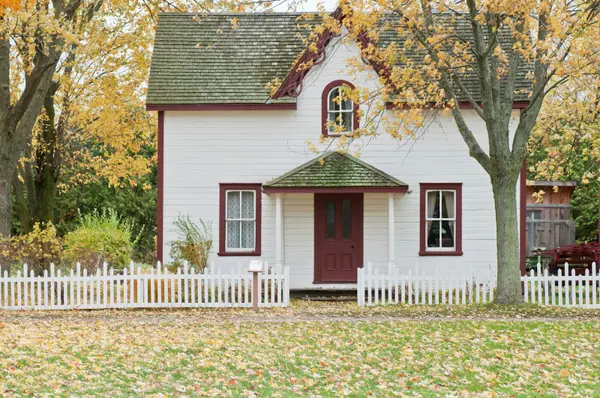
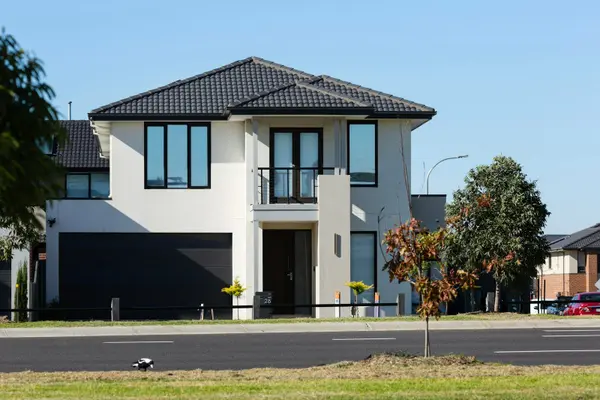
- Established neighborhoods: Much of central and west Sandy was built out decades ago, so you'll find plenty of ramblers, split-levels and two-story homes on mature lots with grown trees. Many have been updated, and others are great candidates for a remodel.
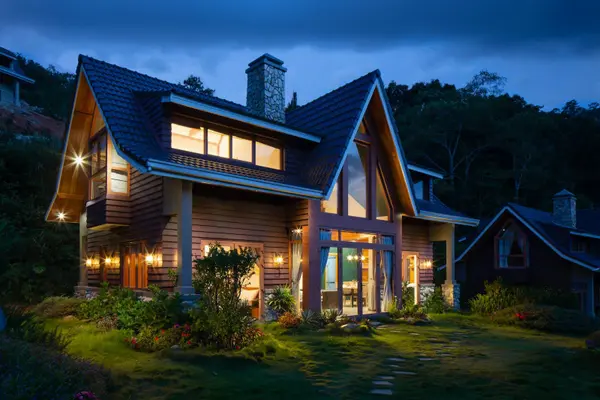
- East bench homes: Closer to the foothills, homes tend to be larger, often with mountain or valley views and easy access to the canyons and trails.
- Townhomes and condos: Newer attached homes and apartments near The Cairns and the TRAX stations offer a lower-maintenance option close to transit.
- Historic Sandy: The older core near the original town center has some of the city's earliest homes and a different, small-town feel.
Because the mix is so broad, two Sandy homes a mile apart can price very differently. Lot size, views, age and updates, and proximity to the canyons or TRAX all play a role, which is why a general online estimate often misses the mark here.
Tips If You're Buying or Selling in Sandy
- Buyers: Drive your likely commute, including the canyon roads if you plan to ski, at the times you'd actually travel. Ask about the age of roofs, windows and HVAC on older homes, and budget for updates where needed.
- Sellers: Lean into what Sandy buyers are shopping for: canyon and trail access, mountain views, yard space and nearby transit. Good listing photos of the view and the backyard matter here.
- Everyone: Pricing should come from recent, truly comparable sales in your part of the city, not a citywide average.
Thinking About a Move In or Out of Sandy?
Whether you're curious what your Sandy home is worth or you're hoping to find a place closer to the canyons, I'm happy to help with no pressure. Call or text me, Dan VanSweden, at 801-857-5831, or request a free home valuation and I'll put together a local, comps-based look at your home's value.
Dan VanSweden, REALTOR® | VanSweden Real Estate Group, Keller Williams Excellence | Serving Utah, Salt Lake, Davis, Weber and Wasatch counties
Categories
Recent Posts