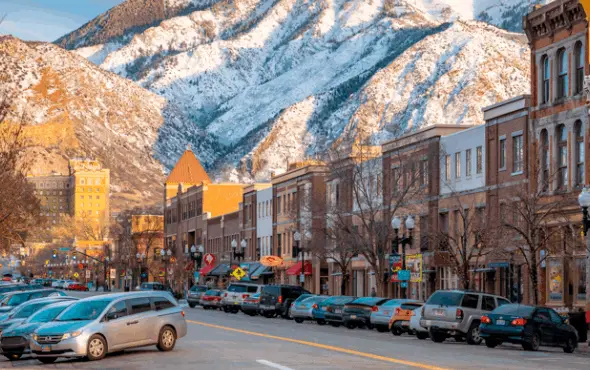
How Is My Utah Home's Value Determined? Online Estimates, Comps & Appraisals Explained
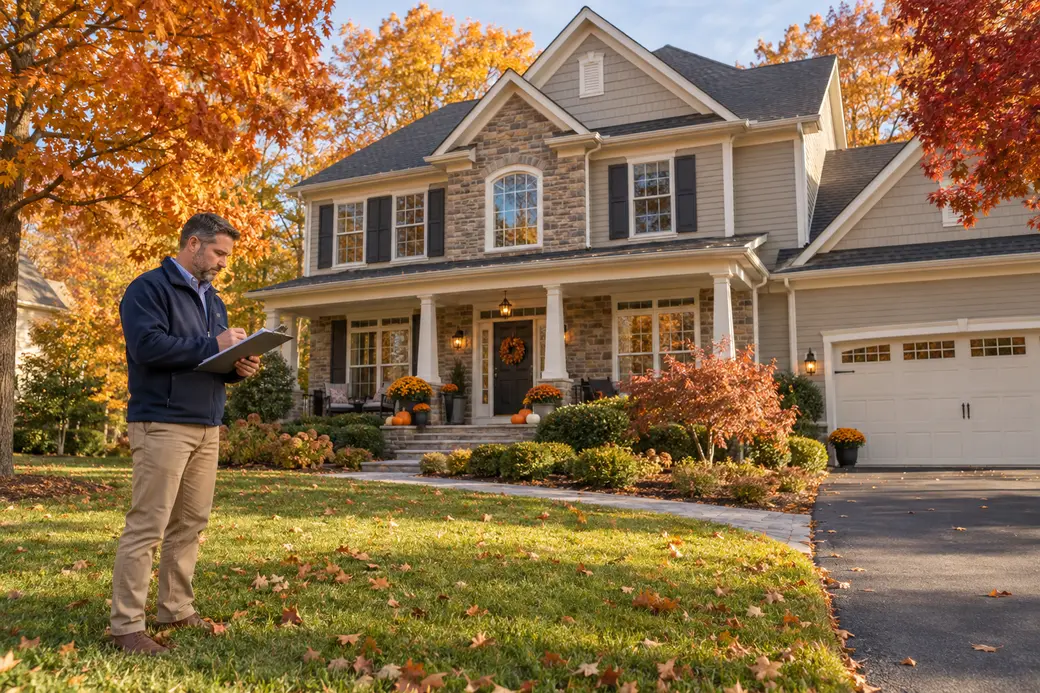
If you own a home in Utah, you've probably seen a handful of different numbers attached to it: an online estimate, a figure from your property tax notice, maybe a number a neighbor tossed out after their house sold. They rarely match. That's not because one of them is "right" and the rest are wrong — it's because each one is measuring something a little different.
Whether you're thinking about selling next spring or just curious where you stand, here's a plain-English look at how home values actually get determined along the Wasatch Front and in the Wasatch Back.
Online Estimates: A Starting Point, Not an Answer
Automated valuation tools are convenient, and they're a reasonable way to get a rough sense of direction. But they work from public records and algorithms. They don't know that you finished the basement last year, replaced the roof, or that the house down the street that sold for less had original carpet and a 30-year-old furnace.
In Utah, those blind spots can be bigger than you'd expect. Many homes here have basements that were finished after the original build, lots that back onto open space or have mountain views, and neighborhoods where two homes a block apart can feel very different. An algorithm can miss all of that. Treat an online estimate as a conversation starter, not a pricing decision.
Comparable Sales: How Agents Build a Market Analysis
When a real estate agent prepares a comparative market analysis (CMA), the core of it is recent sales of similar homes nearby — "comps." A good CMA looks closely at:
- Location: the same neighborhood or a very similar one, ideally within the same school boundaries and with similar access to freeways, trails and shopping.
- Size and layout: above-grade square footage, finished basement space, bedroom and bathroom count, and how the floor plan flows.
- Age and condition: updated kitchens and baths, newer mechanical systems and overall upkeep.
- Lot and features: lot size, garage space, RV parking, views, and outdoor living areas.
- Timing: how recently the comp sold, since market conditions shift season to season.
From there, adjustments are made for the differences between your home and each comp. It's part data, part local judgment — which is why someone who knows the specific area matters.
Appraisals: What the Lender Relies On
If a buyer is financing the purchase, the lender will order an appraisal from a licensed, independent appraiser. The appraiser also relies on comparable sales, but their job is to give the lender an unbiased opinion of value to support the loan.
A few things worth knowing as a seller:
- Appraisers generally separate above-grade living space from basement space, even if the basement is beautifully finished. Both add value, but they're often weighed differently.
- Permits matter. Additions and finished spaces that were done with proper permits are easier to count with confidence.
- If an appraisal comes in below the contract price, the buyer, seller and agents usually have options to work through — renegotiating, the buyer covering the gap, or providing additional comps for reconsideration.
Your Assessed Value Is a Different Number Entirely
Every year, Utah county assessors send out a valuation notice that shows the market value they've assigned for property tax purposes. It's easy to assume that's what your home would sell for, but the assessor is valuing thousands of properties at once using mass-appraisal methods, often without seeing the inside of your home. It can land above or below what the open market would actually pay.
If you believe your assessed value is off, your county (Utah, Salt Lake, Davis, Weber or Wasatch) has an appeal process through its Board of Equalization, typically with a deadline each year. Check your county's website for the current details.
What You Can Do to Support Your Home's Value
You can't change your location or the market, but you can influence how your home compares to the competition:
- Keep a record of improvements. Receipts, dates and permits for a new roof, furnace, water heater, windows or a basement finish help an agent and an appraiser give you credit for the work.
- Handle deferred maintenance. Small issues — a dripping faucet, cracked caulking, a sticky door — can make buyers wonder what else has been overlooked.
- Focus on first impressions. Clean, neutral, well-lit spaces and tidy curb appeal help buyers see the home at its best.
- Think before big remodels. Not every project returns what it costs. Before spending heavily to prepare for a sale, get a local opinion on what buyers in your price range actually expect.
Get a Real Number for Your Utah Home
An online estimate can tell you roughly where you are. A walk-through and a market analysis built on the right comps can tell you where you really stand — and what, if anything, is worth doing before you list.
If you're curious what your home might be worth in today's market, I'm happy to help, with no pressure and no obligation. Call or text me, Dan VanSweden, at 801-857-5831, email dan@vanswedenrealestate.com, or request a free home valuation here.
Dan VanSweden, REALTOR® | VanSweden Real Estate Group | Keller Williams Excellence | Serving Utah, Salt Lake, Davis, Weber and Wasatch counties
Categories
Recent Posts