Living in Spanish Fork, Utah: What to Know Before You Move to South Utah County
By Dan VanSweden, REALTOR® | VanSweden Real Estate Group, KW Westfield (Excellence) | Helping Utah buyers and sellers since 2017
Spanish Fork, Utah is a growing south Utah County city of roughly 48,800 residents, set along I-15 where US-6 heads east toward Spanish Fork Canyon. It offers city-run utilities including its own internet service, a six-mile paved river trail, a 90-acre Sports Park, the July Fiesta Days celebration, and a mix of established and newer neighborhoods.
I'm a Spanish Fork–based agent, and I serve buyers and sellers across Utah, Salt Lake, Davis, Weber and Wasatch counties. Here's a plain look at what to know before you move to my hometown.
Where is Spanish Fork, and how is the commute?
Spanish Fork sits in south Utah County, along I-15 between Springville and Payson, with US-6 running through town toward Spanish Fork Canyon. Most commuters use I-15 to reach Provo, Orem, Lehi and Salt Lake County, while US-6 is the route east through the canyon.
Neighboring cities are close: Springville is about 4 miles northeast, Salem about 4.5 miles south and Payson about 6 miles southwest, according to Wikipedia's Spanish Fork entry. Road work is part of the picture right now. Spanish Fork City reports that UDOT is building a new I-15 interchange at 1600 South/2700 North shared with Springville, and improving US-6 at Expressway Lane and Canyon Creek Parkway. If you're comparing homes, it's worth checking how close each one is to those projects.
What are the utilities like in Spanish Fork?
Spanish Fork City itself provides water, garbage, electricity, sewer and SFCN (internet, TV and phone) service. Not every Wasatch Front city offers its own power and internet, so it's worth knowing up front.
The city's New Resident Checklist walks you through setting up service. For buyers, this means one local bill for most utilities and a city-owned internet option. It's a good idea to ask the seller for a few recent utility bills so you can budget accurately.
What is there to do in Spanish Fork?
Spanish Fork's biggest draws are its river trail, large city parks, canyon access and the yearly Fiesta Days celebration. Here are the highlights:
- Spanish Fork River Trail – about 6 miles of asphalt trail along the river, passing Canyon View Park and the city's recreation complex (TrailLink).
- Sports Park – the city's largest park at 90.5 acres, with ball fields, tennis and pickleball courts, pavilions and a playground (Spanish Fork Parks & Recreation).
- Canyon View Park – 23.5 acres on the river with a fishing pond, RV park and trail connections, next to The Oaks at Spanish Fork golf course.
- Fiesta Days – the city's summer celebration during the week of July 24, with rodeos, parades, concerts, fireworks and carnival rides (Spanish Fork City).
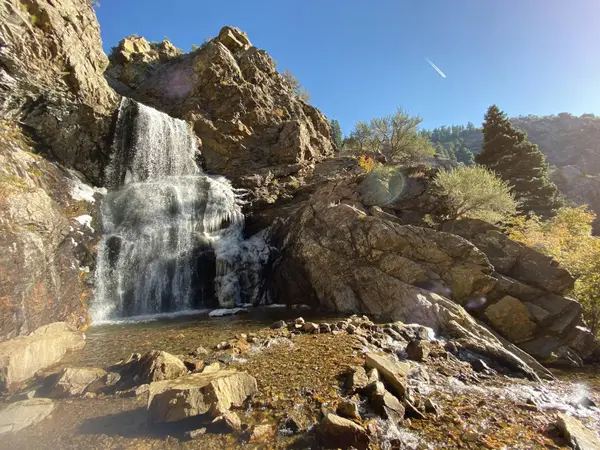
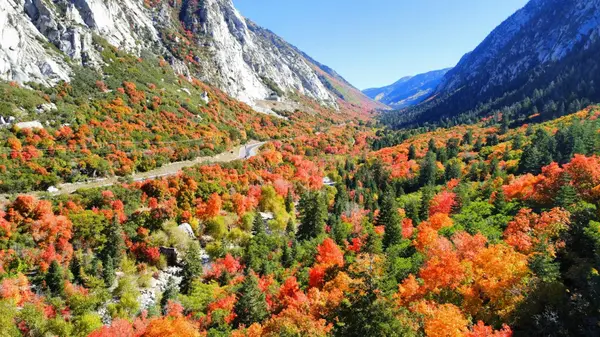
- Spanish Fork Canyon – east of town via US-6, for quick access to mountain scenery and the drive toward central Utah.
What kinds of homes are in Spanish Fork?
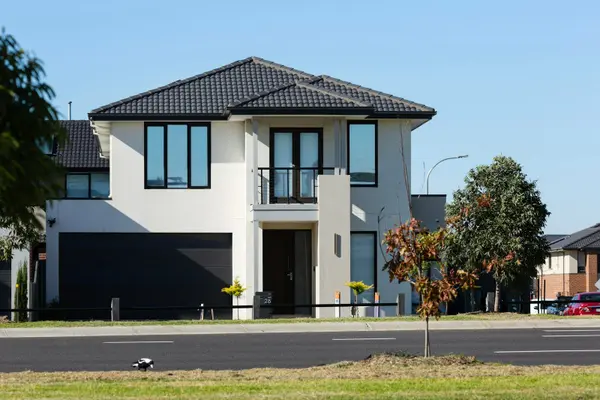
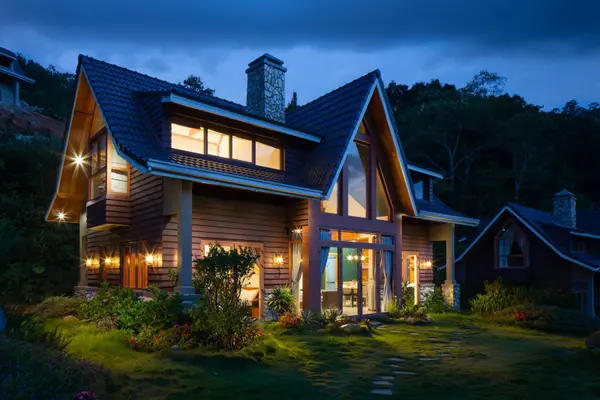
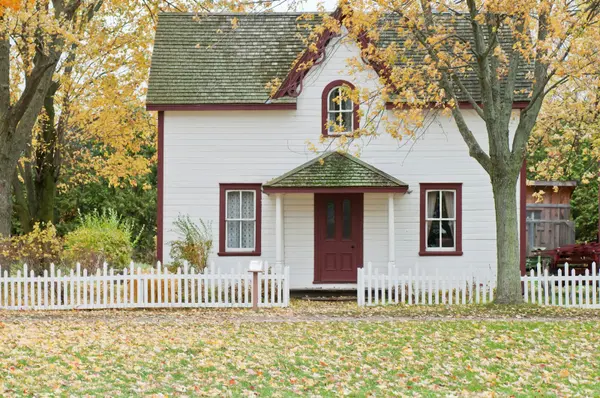
You'll find older homes near Main Street and the historic center, larger lots on the east side toward the foothills, and newer subdivisions and townhomes on the edges of town. The city was settled in 1851, so the core has character homes, while much of the recent growth is newer construction.
The U.S. Census Bureau's QuickFacts for Spanish Fork shows a July 2025 population estimate of 48,837 (up from 42,602 in the 2020 census), an owner-occupied rate of 80.4%, and a median owner-occupied home value of $481,500 for 2020–2024. Keep in mind that the Census figure is a multi-year survey estimate, not today's sale price. For current pricing on a specific street, recent sold comparables tell a much clearer story.
When I help buyers here, these are the questions that usually matter most:
- How close is the home to I-15 or US-6, and to the current road projects?
- Is it in an established area or a newer subdivision with an HOA?
- What's the lot size, and does the home have a basement or garage space for Utah winters?
What is the weather like in Spanish Fork?
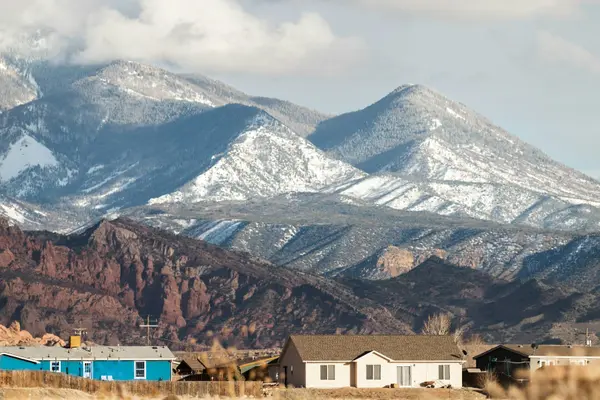
Spanish Fork has four real seasons: hot, dry summers and cold, snowy winters. The city sits at about 4,666 feet in elevation and is classified as a dry-summer continental climate (Wikipedia). Plan for snow removal, winter tires and good insulation. Fun local fact: the city is also home to a nine-turbine wind farm completed in 2008.
Thinking about moving to (or from) Spanish Fork?
Whether you're buying your first place in Spanish Fork or selling a home you've had for years, I'm happy to walk you through the neighborhoods, pricing and timing in plain terms. Call or text me at 801-857-5831, browse the Spanish Fork neighborhood page, or request a free home valuation to see what your current home could sell for. If you're also considering Provo, my Living in Provo guide covers that city too.
Frequently Asked Questions
What should I know before moving to Spanish Fork, UT?
Spanish Fork is a south Utah County city on I-15 and US-6 where the city provides power, water, sewer, garbage and SFCN internet. It has a six-mile river trail, a 90-acre Sports Park and Fiesta Days each July. Expect snowy winters and ongoing road projects near I-15 and US-6.
How far is Spanish Fork from Provo and Salt Lake City?
Spanish Fork is just south of Springville, so Provo is a short drive north on I-15, and Salt Lake City is farther north on the same interstate. Commute times vary a lot by time of day and construction, so test-drive your route at rush hour before you buy.
Who provides internet in Spanish Fork?
Spanish Fork City runs its own network, SFCN, which offers internet, TV and phone service to residents. Other providers may serve some addresses too, so check availability for the specific home you're considering.
Recent Posts