Living in Springville, Utah: A Local's Guide to Utah County's Art City
By Dan VanSweden, REALTOR® | VanSweden Real Estate Group, KW Westfield (Excellence) | Helping Utah buyers and sellers since 2017
Living in Springville, Utah means life in a mid-sized south Utah County city known as "Art City," sitting between Provo and Spanish Fork at the base of the Wasatch Range. You get a historic downtown, a city-owned power utility, quick I-15 access, and Hobble Creek Canyon minutes from home, with housing that ranges from older bungalows to newer subdivisions.
I'm a Spanish Fork–based agent serving Utah, Salt Lake, Davis, Weber and Wasatch counties, and Springville is right next door, so I spend a lot of time there with buyers and sellers. Here's what I'd want a friend to know before moving to Springville.
Where is Springville, Utah, and how big is it?
Springville is in southern Utah County, just southeast of Provo, with Mapleton to the east and Spanish Fork to the south. The city had 35,268 residents at the 2020 Census, according to Wikipedia's summary of Census data.
The city sits at about 4,550 feet of elevation, between the mountains on the east and Utah Lake a few miles to the west. Almost all of town lies east of I-15, so most neighborhoods are a short drive from the freeway. It's an old community, too: settlers arrived in 1850 and first called it Hobble Creek, a name the canyon, the creek and the city golf course still carry.
Why is Springville called "Art City"?
Springville earned the nickname "Art City" because of its long investment in the arts, and the anchor is the Springville Museum of Art. Dating to around 1937, it's considered Utah's oldest museum dedicated to the visual fine arts, and it sits just off the historic downtown.
That arts identity shows up through the year in public art, galleries and community events. The biggest is Art City Days, which the city says starts on the first Saturday of June and runs through the first full week of the month. Recent schedules have included parades, a rodeo, a carnival, a balloon fest and balloon glow, a car show, a children's art festival, concerts and fireworks.
What is there to do outdoors in Springville?
Hobble Creek Canyon is the big draw, starting right at the east edge of town. Inside the canyon you'll find the city's Hobble Creek golf course and Jolley's Ranch, a Springville City park with reservable pavilions, a 54-site campground (open May through October, with power at most sites), a playground and open fields.
- Hobble Creek Canyon: scenic drives, picnicking, camping and trail access close to home.
- Spring Acres Arts Park: a city park known for hosting cultural festivals.
- Nearby canyons and lakes: Spanish Fork Canyon, Diamond Fork and Utah Lake are all a short drive away.
What's it like to live in Springville day to day?
Day to day, Springville feels like a hometown with big-city options nearby. Many residents commute north on I-15 to jobs in Provo, Orem, Lehi or Salt Lake County, while shopping and dining in town and along the nearby Spanish Fork and Provo retail corridors.
- Utilities: Springville runs its own city-owned electric utility, which the city says dates to 1904, when it built hydroelectric plants in Hobble Creek Canyon. Ask your agent which providers serve a specific address when you budget.
- Schools: Springville is part of Nebo School District and includes Springville High School, Springville Junior High and Spring Canyon Middle School, plus charter options. Always confirm school boundaries for a specific home with the district.
- Transit plans: UTA has studied extending FrontRunner south with new stations in Springville and Spanish Fork and a terminus in Payson. As KSL reported, it's a long-range goal, not a funded, scheduled project, so don't buy based on a station opening soon.
What kinds of homes are in Springville?
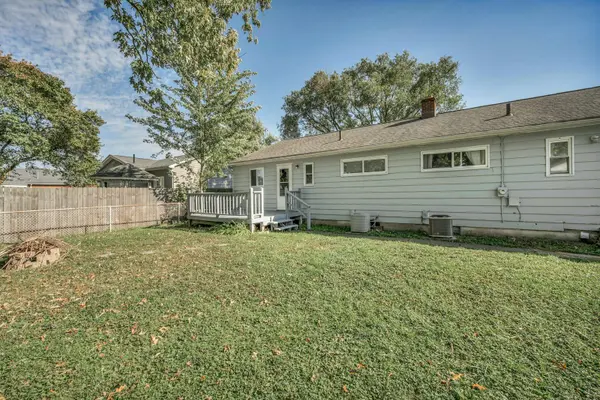
Springville offers a wide mix: established neighborhoods near Main Street and the historic downtown, mid-century and 1990s-era single-family homes, and newer subdivisions and townhome communities on the edges of town. That variety is a big reason buyers who are priced out of north Utah County often look here.
A few things I tell buyers to look at closely:
- Older homes: check the age of the roof, furnace, water heater, electrical and sewer line, and plan for updates.
- Newer subdivisions: ask about HOA fees, builder warranties, and what's planned on nearby vacant land.
- Foothill lots: great views, but ask about slope, drainage and winter driving.
If you're weighing Springville against nearby towns, my Springville buyer's guide and Living in Spanish Fork guide walk through the details. Own a home here already? See selling a home in Springville.
Thinking about a move to or from Springville?
Whether you're buying your first home in Art City or thinking about selling, I'm happy to help you sort out pricing, neighborhoods and timing with no pressure. Call or text me at 801-857-5831, or get a free home valuation to see what your current home could sell for.
Frequently Asked Questions
Is Springville, Utah a good place to live?
That depends on what you're looking for. Springville offers a historic downtown, a strong arts scene, quick canyon access through Hobble Creek, and an I-15 commute to Provo and beyond. Touring a few areas of town at different times of day is the best way to decide if it fits.
How far is Springville from Provo and Salt Lake City?
Springville borders the Provo area, so many Provo destinations are a short drive. Salt Lake City is a straight shot north on I-15 through Utah County and southern Salt Lake County. Drive times vary a lot with rush hour and construction, so test your actual route at commute time before you buy.
When is Art City Days in Springville?
Art City Days begins on the first Saturday of June and runs through the first full week of June, according to Springville City. Check the city's website each spring for that year's schedule and any events that need advance registration.
Categories
Recent Posts